A community-led mental health and wellbeing initiative
Kifkun (كيفكن - which means “How are you all?” in Arabic) is a flagship Empowerment Ecosystems program designed to break the stigma around mental health in culturally diverse communities. This program started in multi-faith, Arabic-speaking communities in Melbourne’s Northern suburbs and uses a framework designed to work across diverse interfaith and intercultural settings.
Built by and for community members, Kifkun blends mental health literacy, social entrepreneurship, intercultural dialogue, and research to create an innovative model for mental health promotion that creates practical, culturally-embedded opportunities for people to learn about mental health and well-being in their daily lives, without being required to first overcome the many barriers to accessing programs and services that many migrant and refugee communities face.
Across migrant and refugee communities, many people do not access mainstream mental health services even though research shows that newly arrived communities often experience high levels of stress linked to migration, trauma, discrimination and settlement. This is not because people do not want help but instead reflects a disconnect between how mental health is framed and how communities understand their own realities.
Many people in migrant and refugee communities are more likely to think of well-being as being affected by: family conflict, poor sleep, work and money stress, parenting pressure, anger, isolation, or feeling worn down. When support is presented mainly through clinical language, many people do not see it as relevant. Additionally, stigma, fear of being exposed and lack of trust make people hesitant to seek help, even when they feel that they need it.
Young people often carry stress linked to identity, school, and peer pressure, but in many migrant and refugee families they also carry the weight of settlement, financial responsibility, trauma, and expectations of resilience, acting as de facto leaders, translators, and cultural brokers within their households. Parents and elders carry their own pressures, shaped by migration experiences, loss, and responsibility for family stability. These overlapping roles create tension and misunderstanding across generations, especially when there is no shared language for wellbeing or support.
Kifkun addresses these challenges by running regular, community-led wellbeing activities in familiar settings, using everyday language, training local people to lead the work, and providing clear, supported pathways into mental health services when needed. Kifkun also takes an intergenerational approach so that young people, parents, and community leaders can develop shared understanding, reduce conflict, and build clearer pathways to support.
What we do
Community Learning Workshops
Mental health awareness in plain, relatable language, on a variety of topics (e.g. PTSD, anxiety, family dynamics, healing practices, intergenerational conflict) embedded in adult education settings e.g. language learning, vocational education
Culturally safe and welcoming settings - intergenerational and faith-informed in welcoming venues
Leadership & Capacity Building
Peer-led support groups and Mental Health First Aid training
Skills-based pathways for youth and community leaders
Leadership training and mentoring
Collaborative Events
Interfaith/intercultural gatherings and community celebrations
Dialogue and reconciliation initiatives to address community tensions
Social Enterprise & Employment
Paid facilitation and event coordination roles
Enkindle small business training
Participatory Research & Advocacy
Ground-up knowledge generation on mental health in migrant contexts
Evidence used to advocate for service design, policy formulation, and funding priorities
Who runs the work
Kifkun activities are led by trained community members, under the supervision of our two Program Leads, as well alongside other team members of Empowerment Ecosystems.
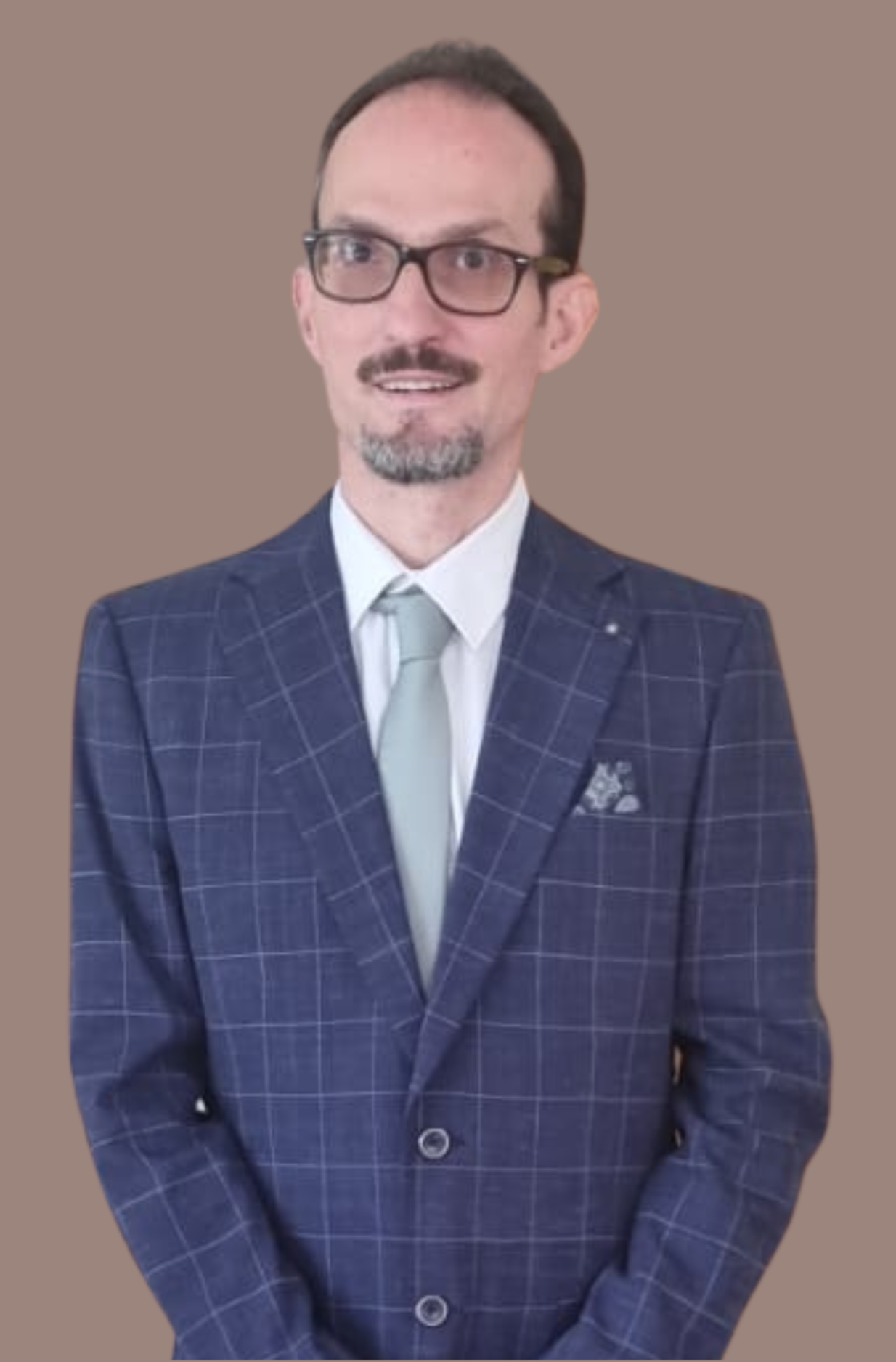
Houssam Elsheikh
Counsellor
Houssam Elsheikh is a counsellor, hospitality trainer, and community educator with deep ties to migrant and refugee communities. His work is shaped by lived experience of migration and resettlement, which informs a grounded, practical approach to mental wellbeing. Houssam understands firsthand how stress, confidence, and mental health are shaped by work, stability, and a sense of purpose, not just by individual symptoms.
With extensive experience in hospitality training, education, and mentoring, Houssam focuses on building employability, routine, and confidence as foundations for wellbeing. His background in counselling and cross-cultural engagement allows him to work effectively across cultures and generations. As a program lead of Kifkun, he supports culturally embedded wellbeing activities that connect mental health conversations to practical outcomes such as education, skills development, employment pathways, and community participation.
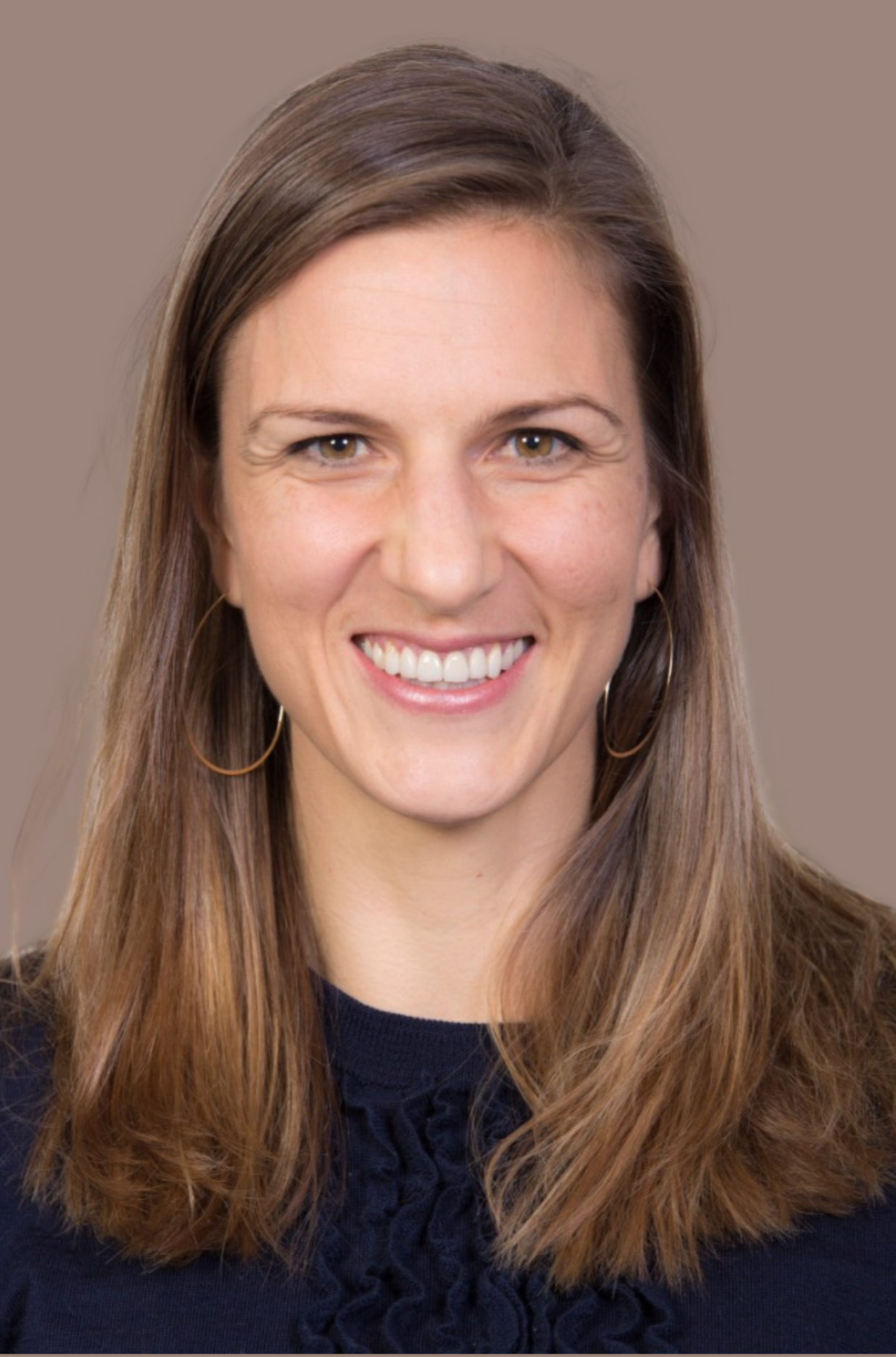
Dr Natalie Peach
Clinical Psychologist
Dr Natalie Peach is a clinical psychologist and researcher with extensive experience working with young people, including those from refugee and culturally diverse backgrounds. She has led and coordinated multi-site randomised controlled trials, including studies evaluating integrated treatments for post-traumatic stress and substance use in adolescents and emerging adults
Natalie leads the Kifkun program and also manages the Emerging Changemakers program within Empowerment Ecosystems, overseeing leadership development and community capability building across initiatives. She brings strong expertise in evidence-based practice, early intervention, and research design, alongside a practical understanding of how programs operate on the ground. Through the Knowledge Workshop initiative, Natalie acts as a research mentor for participatory research initiatives, supporting community-led inquiry while ensuring ethical practice, methodological rigour, and findings that can inform real decisions.